
unlocking your shoulder

Unlocking Your Shoulder: From Stiffness to Strength, Beating Frozen Shoulder with Physiotherapy

Frozen shoulder or adhesive capsulitis is a condition characterised by stiffness and pain in the shoulder joint. Often seen as a debilitating condition causing the inability to lift your arm up above your head or move your arm in different positions, this loss in movement due to the shoulder joint capsule thickening and tightening around the joint can significantly impact an individual's daily activities and quality of life, making unlocking your shoulder an essential part of restoring comfortable function. What…

Read More

Shoulder Impingement

Shoulder Impingement

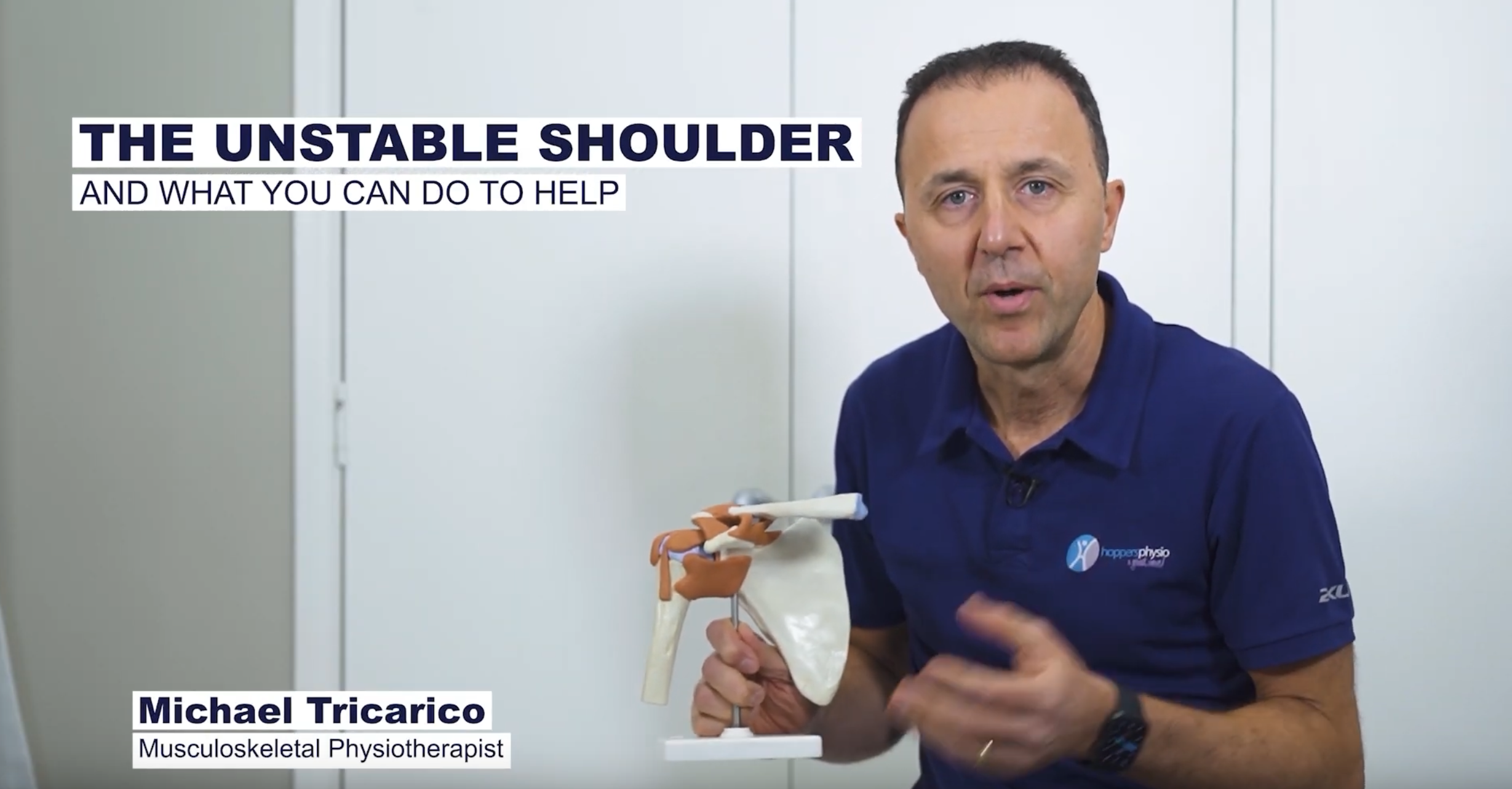
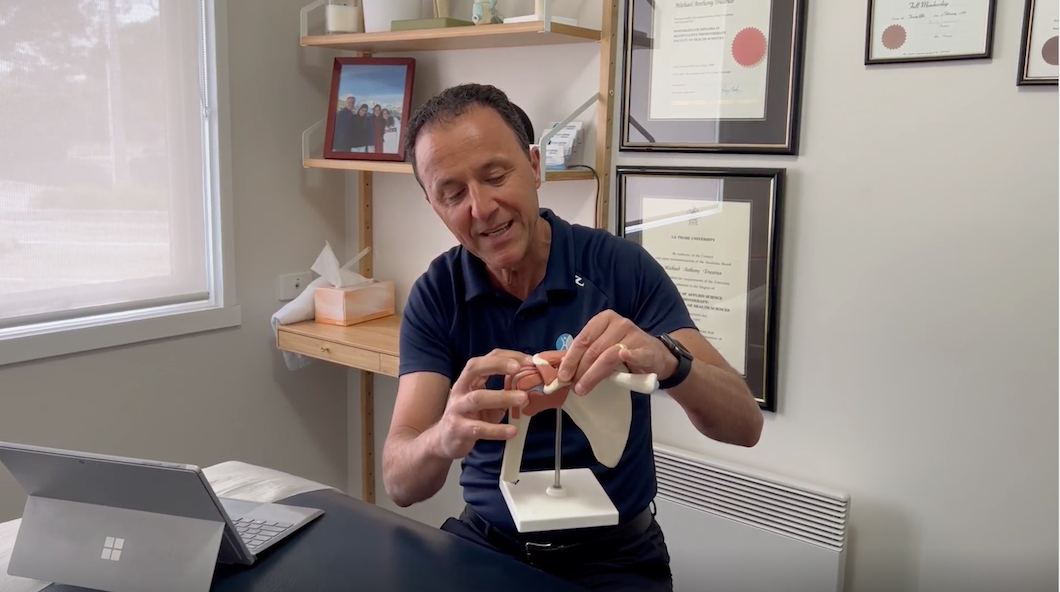
In this video, Michael Tricarico from Hoppers Physiotherapy explains how a shoulder impingement can lead to bursitis and how your physiotherapist will accurately assess the muscles and provide exercises to correct the underlying condition. If you're experiencing unwanted pain, contact our clinic at (03) 9749 5110 or book an appointment online.

Read More

unlocking your shoulder

Shoulder Injury – The Rotator Cuff

ROTATOR CUFF INJURIES The rotator cuff is a group of four muscles called supraspinatus, infraspinatus, subscapularis and teres minor that stabilise the shoulder joint for everyday movement. Unfortunately, because the shoulder joint has such a wide range of motion theses muscles are highly prone to injury. This can range from mild inflammation to a more aggressive tendinopathy or from a mild strain to a complete tear of the rotator cuff tendons. Causes of Rotator Cuff Injuries Repetitive movement: particularly for…

Read More

frozen shoulder

Frozen Shoulder (Adhesive Capsulitis)

What is Frozen Shoulder? Frozen shoulder, also known as adhesive capsulitis, is a condition that limits the movement of the shoulder and can be painful. Frozen shoulder happens when the shoulder joint capsule comprised of connective tissues gets thickened and tightened. It is quite unclear why frozen shoulder happens to some people. However, there seems to be a finding that it is more common in people who have kept the shoulder still for a prolonged period, such as after a…

Read More