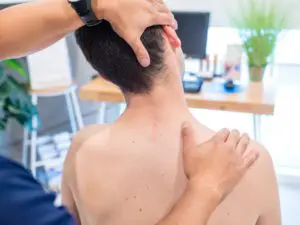
wry neck

Wry Neck: Causes, Symptoms and How Physiotherapy Can Help

Have you ever woken up with a painful neck that feels stuck in one position? Even the smallest movement may feel sharp or difficult. This sudden and often worrying experience is commonly known as wry neck, or acute torticollis. The good news is that most cases are not serious and improve considerably within several days. Although wry neck can be very painful and temporarily interfere with driving, work and sleep, the intensity of the pain does not necessarily mean that…
Read More

Femoroacetabular impingement (FAI)

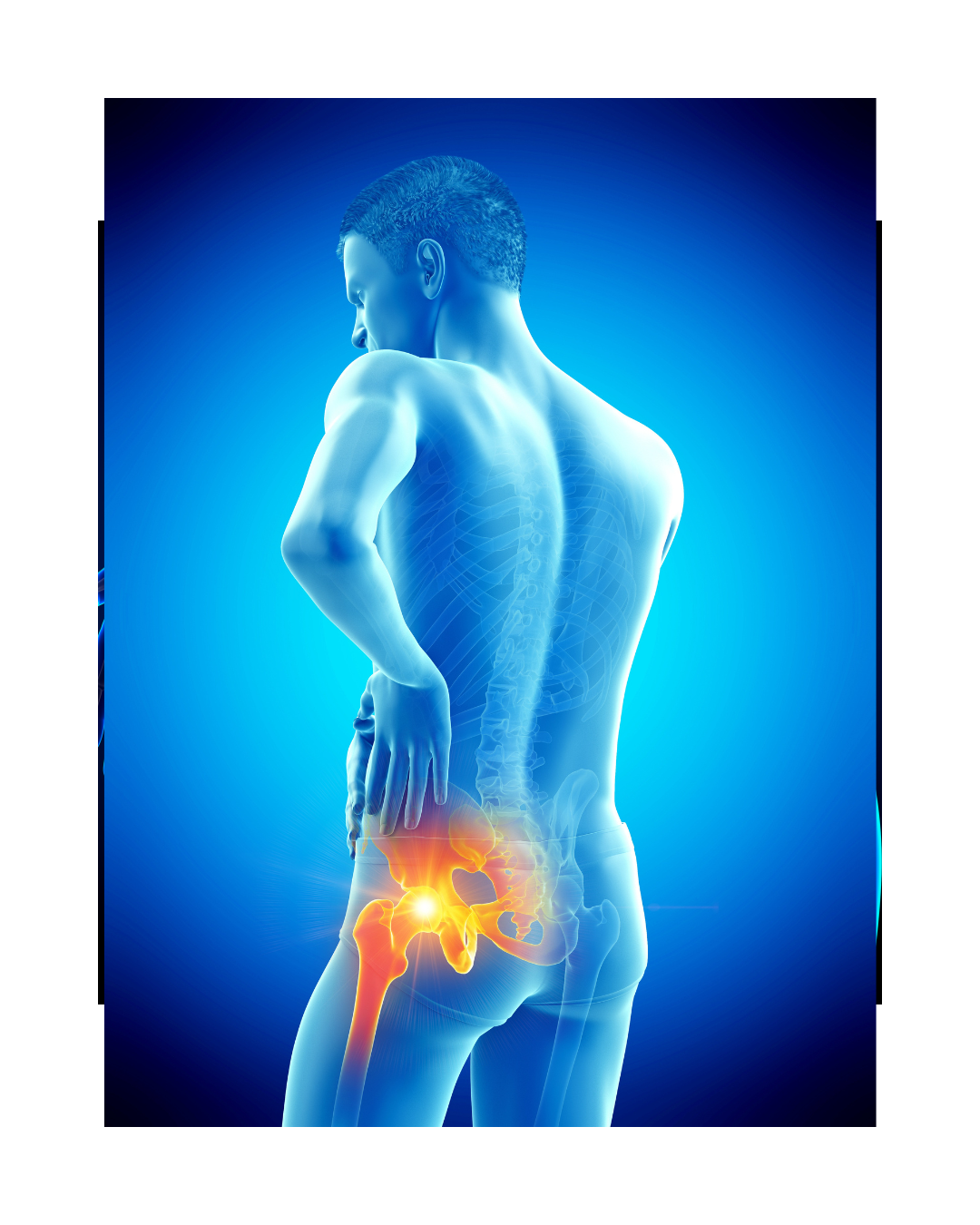
Femoroacetabular impingement (FAI) is a structural condition of the hip that can cause pain and discomfort. In a normal hip joint, the ball-shaped head of the thigh bone (femur) glides smoothly within the socket of the pelvis (acetabulum). With FAI, there is an irregularity in either the shape of the ball or the socket aspect of the joint, resulting in friction and discomfort during specific movements. 3 types of femoroacetabular impingement There are three main types of femoroacetabular impingement: Cam…

Read More

Tendinitis vs tendinosis vs tendinopathy

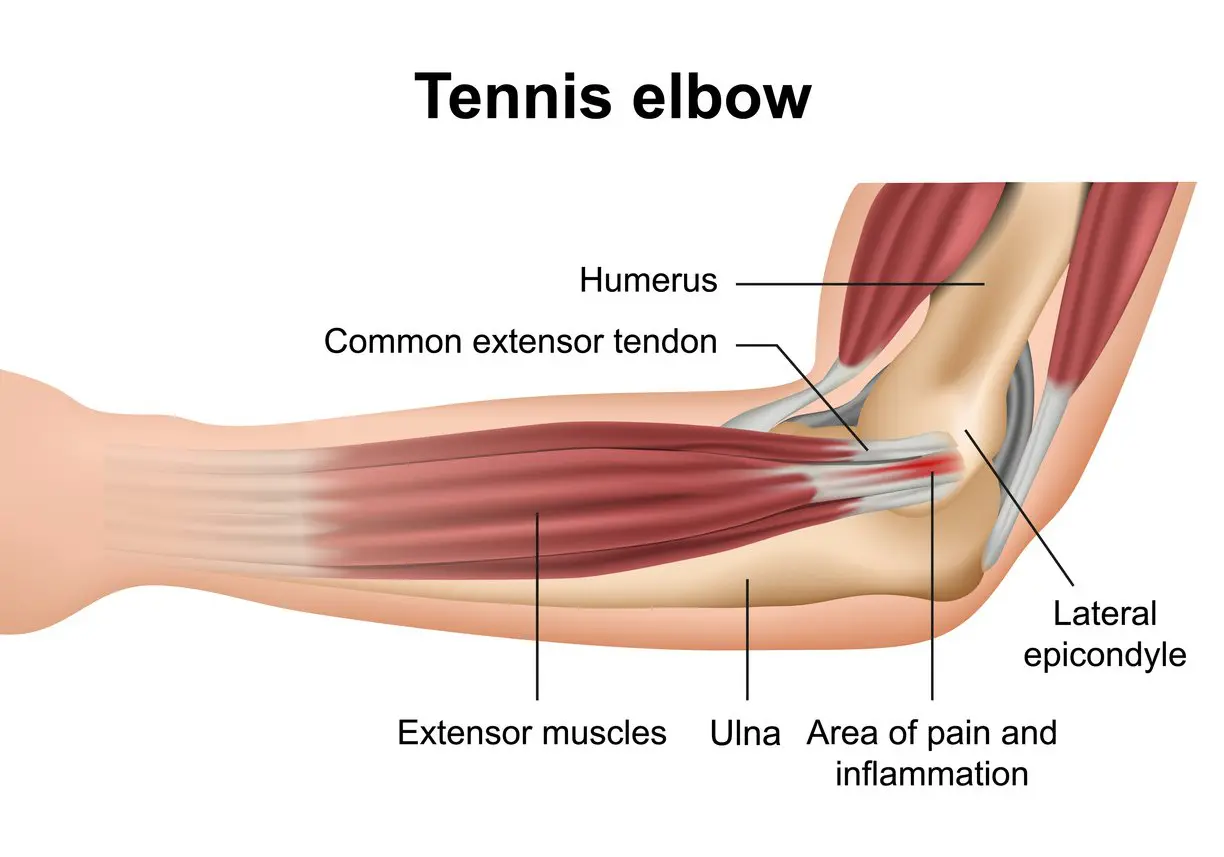
Often, we hear the terms tendinitis, tendinosis, and tendinopathy used interchangeably, but they don’t mean the same thing. Understanding the differences between these tendon conditions can help guide more effective treatment and set realistic expectations for better recovery. What is Tendinitis? Tendinitis refers to an acute inflammatory condition of a tendon. It typically occurs after a sudden increase in load or activity, such as a dramatic increase in running distance or starting a new sport. In these early stages, inflammation…

Read More

achilles tendon Syndesmosis

Syndesmosis

When most people think of an ankle sprain, they picture a fairly minor injury that will settle with a bit of rest and time. But a syndesmosis injury — often called a high ankle sprain — is quite different. It is a more significant problem that can affect stability, recovery, and return to activity, which is why it deserves proper attention from the outset. What is Syndesmosis? The syndesmosis is a group of strong ligaments that hold the two lower…

Read More

Extracorporeal Shockwave Therapy (ESWT)

Extracorporeal Shockwave Therapy (ESWT)

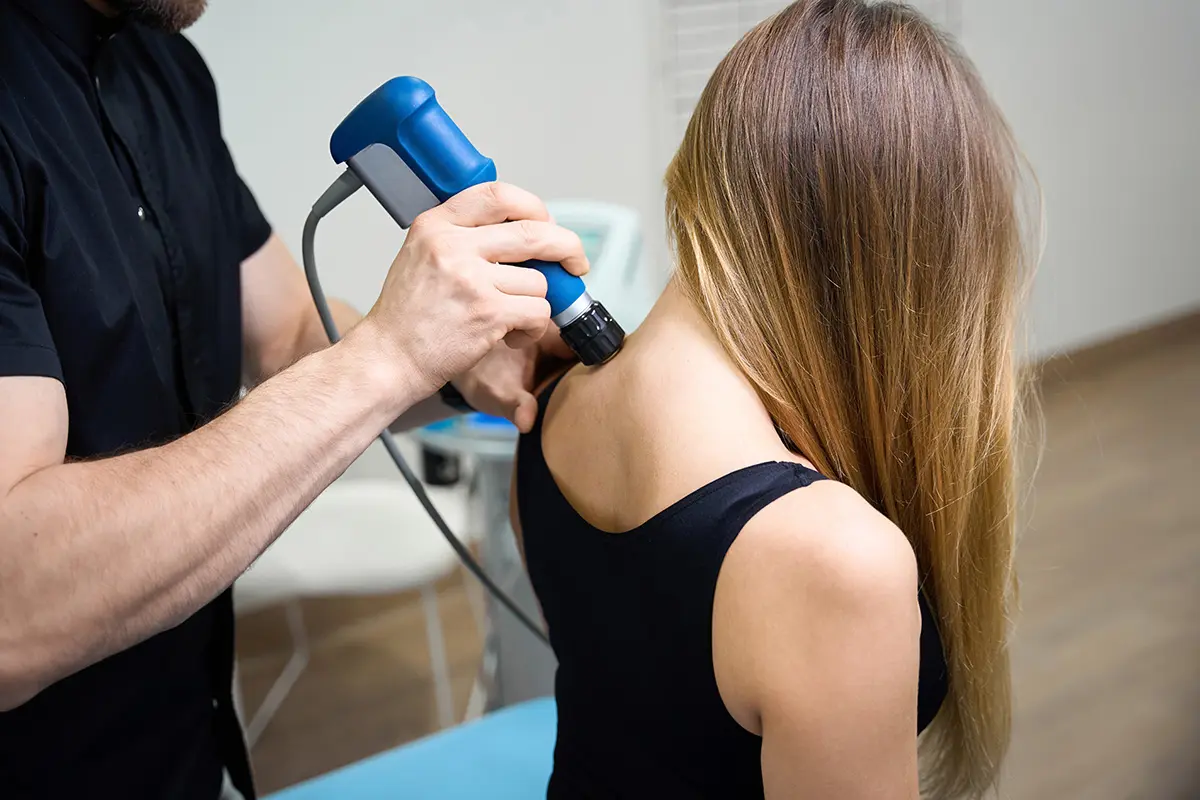
Persistent pain from tendon or soft tissue injuries can be frustrating, especially when symptoms don’t improve with rest or standard treatment. At Hoppers Physio, we offer Extracorporeal Shockwave Therapy (ESWT) as an evidence-based option to help stimulate healing in stubborn or chronic injuries and support your recovery. What is Extracorporeal Shockwave Therapy (ESWT)? ESWT is a non-invasive treatment that delivers high-pressure acoustic waves directly to injured tissue. These waves target structures at a precise depth of 3–6 cm, allowing treatment…

Read More

unlocking your shoulder

Unlocking Your Shoulder: From Stiffness to Strength, Beating Frozen Shoulder with Physiotherapy

Frozen shoulder or adhesive capsulitis is a condition characterised by stiffness and pain in the shoulder joint. Often seen as a debilitating condition causing the inability to lift your arm up above your head or move your arm in different positions, this loss in movement due to the shoulder joint capsule thickening and tightening around the joint can significantly impact an individual's daily activities and quality of life, making unlocking your shoulder an essential part of restoring comfortable function. What…

Read More

exercise physiology

Exercise Physiology: What is it and how can it help you?

What is an Exercise Physiologist?  An Exercise Physiologist bridges the gap between rehabilitation and real-world functionality, focusing on translating exercises into meaningful improvements in your daily life, work duties, or athletic pursuits. Whether you’re recovering from an injury, managing a chronic condition, or simply looking to regain peak performance, Exercise Physiology programs are designed to address your unique needs and goals.  Unlike generic workouts, these programs are rooted in evidence-based practices and tailored to mimic real-life movements, ensuring every exercise…

Read More

ViMove Technology

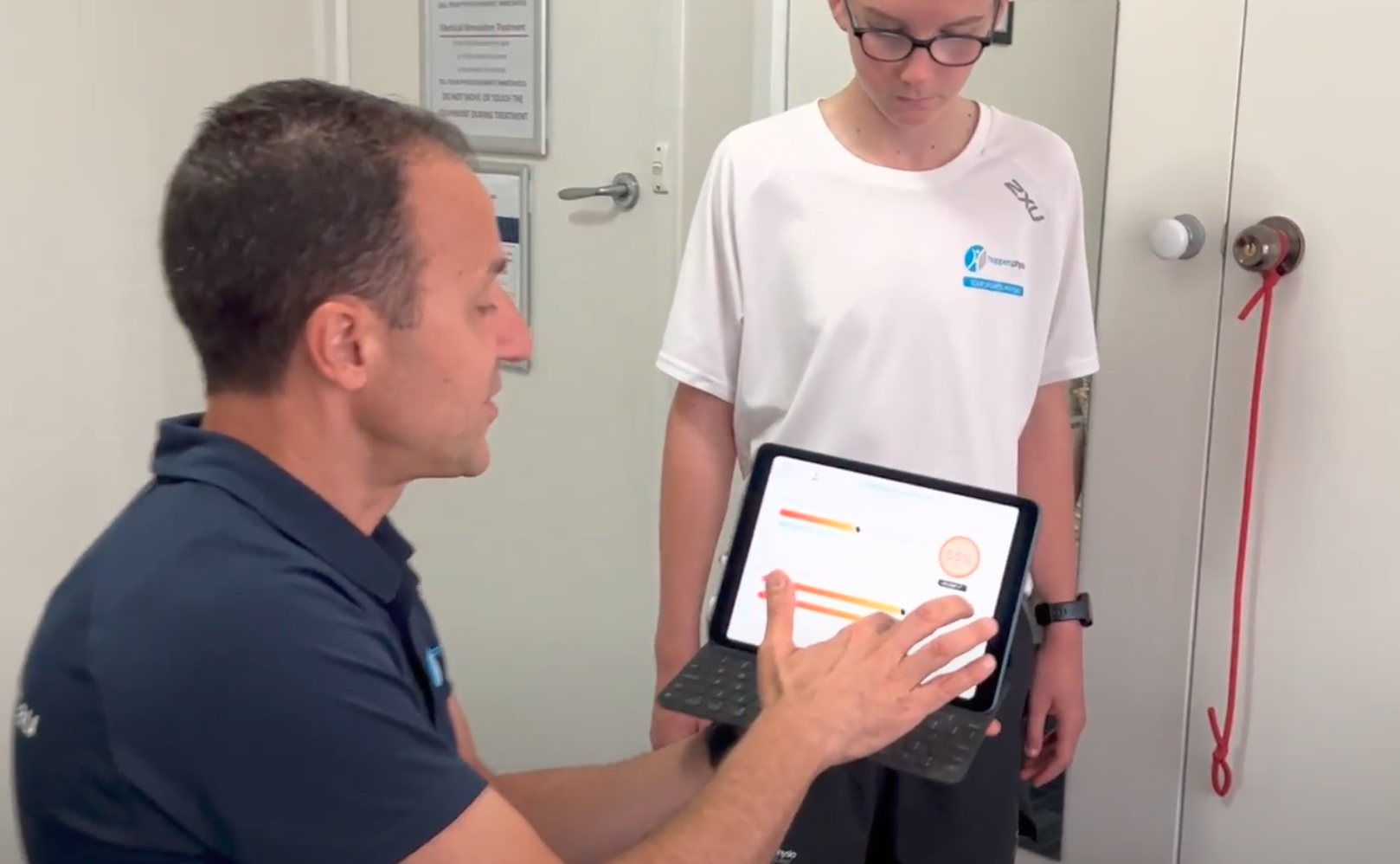
In this video, Michael Tricarico from Hoppers Physiotherapy discusses ViMove Technology and how it can help assess whether an athlete can return to the sport safely. The ViMove sensors can also be used for real-time feedback and training in order to assist in rehabilitation and measurement efforts. If you experienced an injury and would like treatment to get back to the activities that you enjoy, please contact our clinic on (03) 9749 5110 or book an appointment online  https://youtu.be/lW81emyS9P8

Read More

Reducing the risk of a hamstring strain

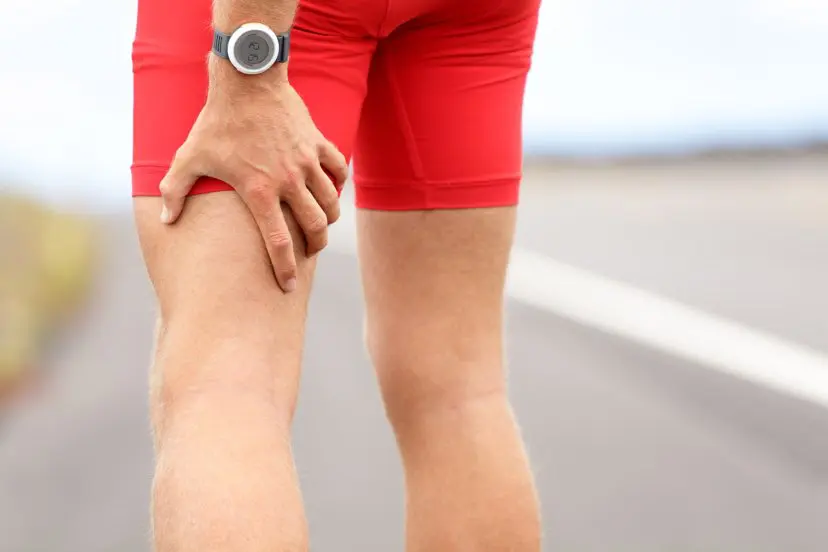
The footy season is back in 2021! It's a great sight to see large crowds back watching the AFL, but perhaps what's even greater is the return of local footy. However, a shortened pre-season, coupled with a year of sitting out due to COVID, potentially brings the return of one of the most common injuries in AFL and other sporting codes alike. This of course would be hamstring strains. These are a group of three muscles of the backside of…

Read More

Adductor injuries

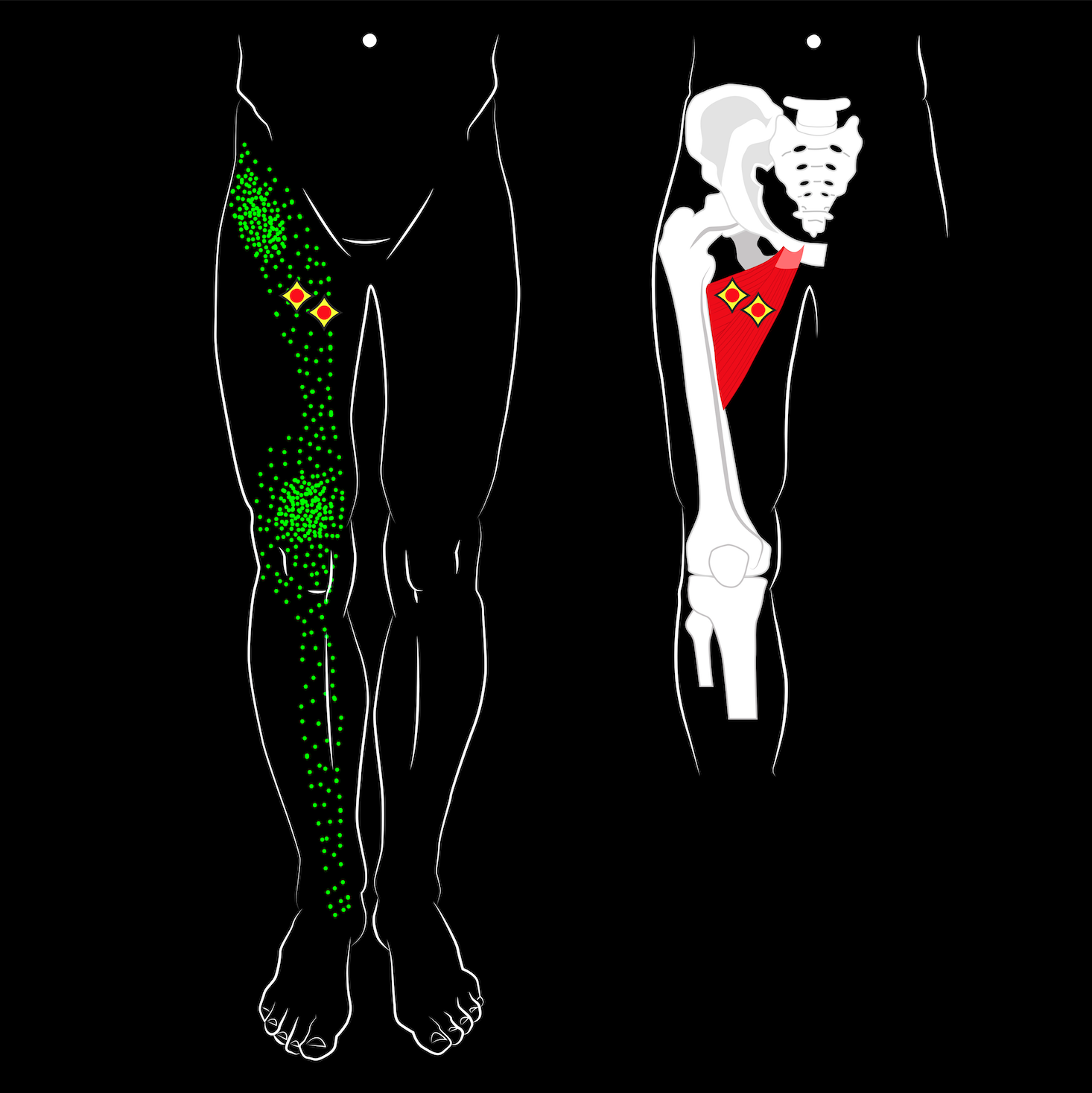
As preseason for the 2021 soccer season as well as the return of the A-League, it is important to ensure our bodies are capable of the load that will be required when the season commences. Soccer players are the most at risk of developing adductors strains that can result in leg and groin pain. This type of injury is one of the most commonly seen in soccer players due to the nature of the game which requires both repetitive forward and lateral movements such…

Read More