
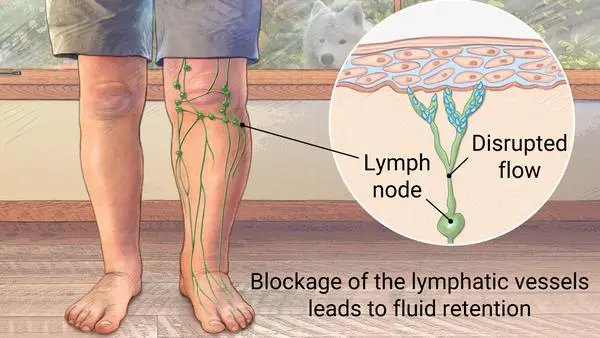
Early Detection of Lymphoedema
Early detection of lymphoedema after cancer surgery is one of the most important factors in preventing long-term complications and improving quality of life. Despite this, it is often under-recognised or only identified once visible swelling occurs, by which stage it can become harder to manage effectively.
What is lymphoedema?
Lymphoedema is a chronic condition that occurs when the lymphatic system is unable to adequately drain lymph fluid, leading to a build-up of fluid in the tissues. It commonly develops following cancer treatments such as surgery, particularly lymph node removal and radiotherapy.
This chronic condition can affect the arms, legs, trunk, breast, or genital region, depending on the area treated.
Why early detection matters
Early lymphoedema may not present as obvious swelling. In fact, the earliest changes are often subtle and internal. This is known as subclinical lymphoedema, a stage where fluid changes are present but not yet visible.
Detecting lymphoedema at this stage is crucial because:
- Intervention can begin before permanent tissue changes occur
- Symptoms can often be reversed or well controlled
- Progression to more advanced stages of lymphoedema may be prevented
- Long-term treatment burden can be reduced
The earlier we can detect the signs, the better the outcome.
Who is at risk?
Anyone who has undergone cancer treatment involving the lymphatic system may be at risk of developing lymphoedema. This includes people treated for:
- Breast cancer (especially with lymph node removal)
- Gynaecological cancers
- Prostate cancer
- Melanoma
- Head and neck cancers
Radiotherapy to lymph node regions can further increase the risk of this condition.
Early signs and symptoms of lymphoedema
It is important to recognise that lymphoedema does not always start with visible swelling. Early symptoms may include:
- A feeling of heaviness, fullness, or tightness
- Mild swelling that comes and goes
- Clothing, jewellery, or shoes feeling tighter
- Reduced flexibility or a feeling of stiffness
- Aching or discomfort in the affected area
These symptoms should never be ignored, even if they seem mild.
The role of a Lymphoedema Therapist
One of the most effective ways to detect lymphoedema early is through regular monitoring with a Qualified Lymphoedema Therapist.
Technologies such as bioimpedance spectroscopy (BIS), including devices like the Sozo machine, can detect fluid changes before swelling is visible. This allows your therapist to track changes over time and intervene early if needed. This quick and non-invasive test can be carried out right here at Hoppers Physio.
Baseline measurements taken before surgery, followed by regular monitoring every 3–6 months post-operatively, provide one of the most accurate ways to identify subtle lymphatic changes.
What does early intervention involve?
If lymphoedema is detected early, treatment is often simple and highly effective. It may include:
-
Scar management (if applicable)
-
Compression garments
- Exercise and movement programs
- Education on skin care and risk reduction
- Manual lymphatic drainage (in some cases)
- Monitoring and follow-up
In many cases, early-stage lymphoedema can be stabilised or even reversed with timely care.
Early detection and support for Lymphoedema
Lymphoedema is a manageable condition — but timing matters.
Shifting the focus from reactive treatment to proactive monitoring and early detection can significantly improve outcomes for people following cancer treatment. With the right awareness, tools, and support, the impact of lymphoedema can be reduced, helping individuals return to living well after cancer.
If you are at risk or experiencing symptoms of lymphoedema, please contact us on (03) 9749 5110 or book online for early screening and ongoing monitoring.