
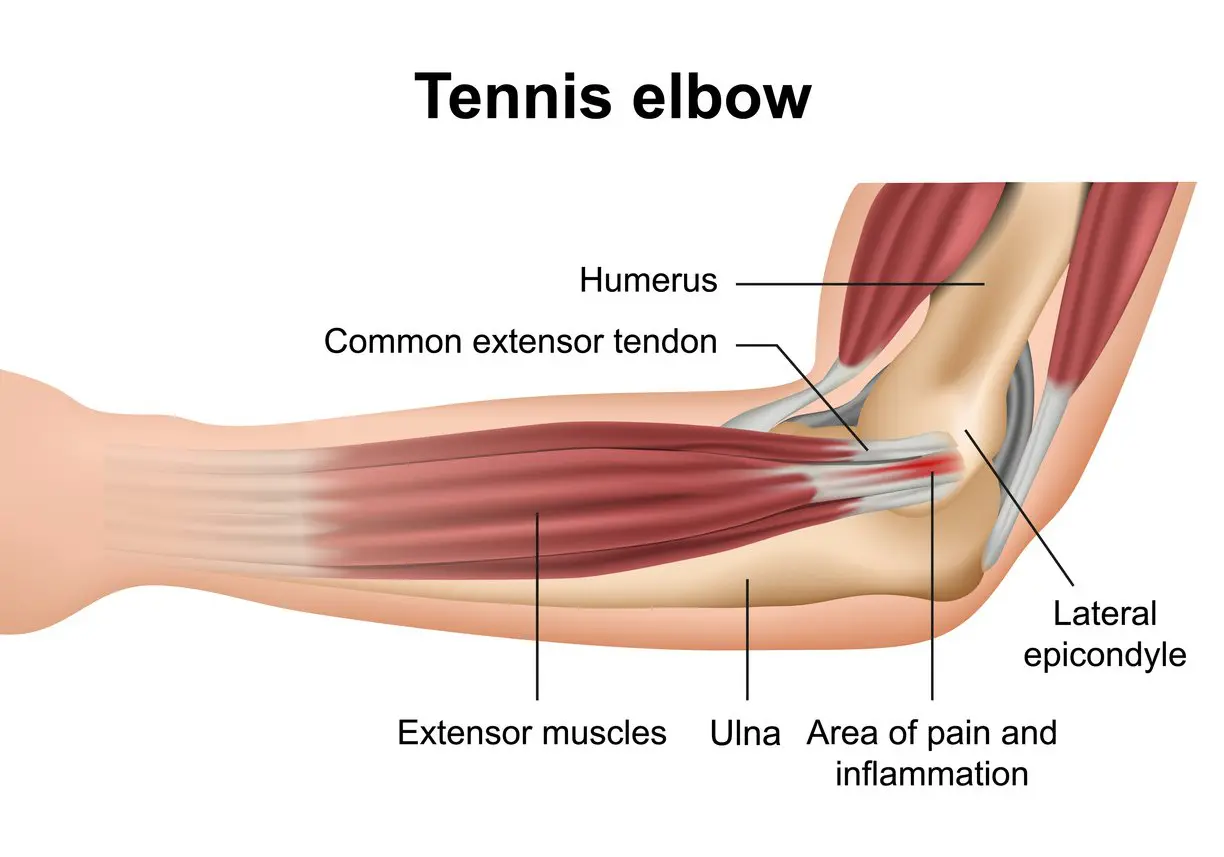
Tendinitis vs tendinosis vs tendinopathy
Often, we hear the terms tendinitis, tendinosis, and tendinopathy used interchangeably, but they don’t mean the same thing. Understanding the differences between these tendon conditions can help guide more effective treatment and set realistic expectations for better recovery.
What is Tendinitis?
Tendinitis refers to an acute inflammatory condition of a tendon. It typically occurs after a sudden increase in load or activity, such as a dramatic increase in running distance or starting a new sport. In these early stages, inflammation is present, and symptoms often include:
- Pain
- Swelling
- Warmth around the tendon
Tendinitis is usually short-lived and often responds well to rest, load management, and gradual reloading.
What is Tendinosis?
Tendinosis describes a chronic, degenerative state of the tendon. Rather than inflammation, the tendon undergoes structural changes such as:
- Disorganised collagen fibres
- Reduced tensile strength
- Small microtears within the tendon
This condition develops over time due to repeated overload without adequate recovery. Tendinosis tends to be more stubborn and does not typically respond well to anti-inflammatory treatments because inflammation is not the primary issue.
What is Tendinopathy?
Tendinopathy is the broader umbrella term that encompasses both inflammatory and degenerative tendon conditions. Most tendon injuries fall somewhere along this spectrum rather than fitting neatly into either tendinitis or tendinosis.
When discussing tendinitis vs tendinosis vs tendinopathy, it’s important to recognise that these terms describe different stages and presentations of tendon injury.
What does this mean for treatment?
Treating tendinitis, tendinosis or tendinopathy is less about the label and more about the stage and presentation of the condition. The early-stage tendon pain may benefit from load management and symptom reduction, while longer standing cases require carefully graded strengthening to stimulate tendon adaptation.
Manage tendon pain with Hoppers Crossing Physio
Tendons don’t like sudden spikes in load, but they do respond well to progressive, consistent loading over time. If you’re dealing with persistent tendon pain, getting the right diagnosis from a physiotherapist and a structured rehab plan can make all the difference.
Book an appointment today. Contact our friendly reception team on (03) 9749 5110 or book online.