Femoroacetabular impingement (FAI)

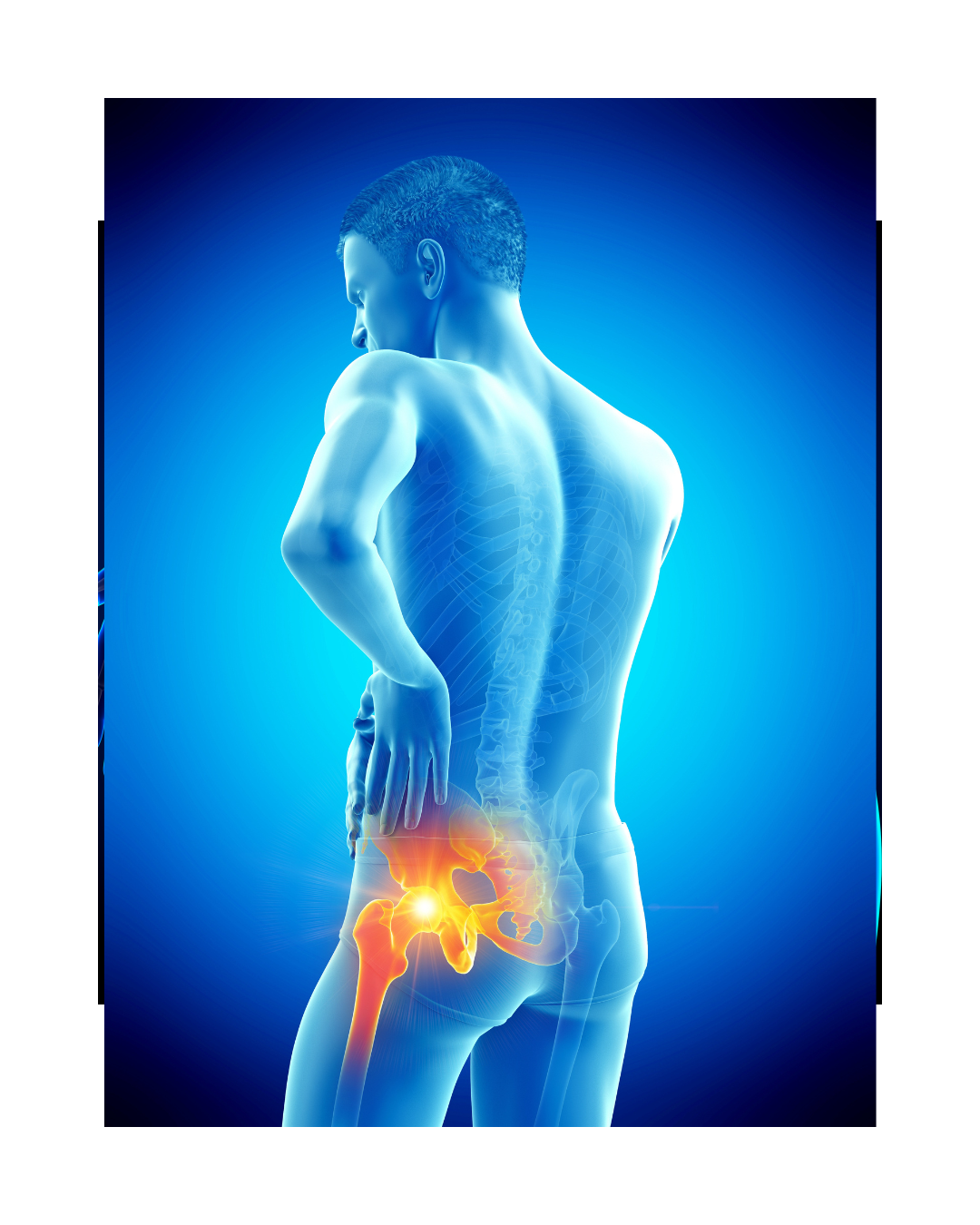
Femoroacetabular impingement (FAI) is a structural condition of the hip that can cause pain and discomfort. In a normal hip joint, the ball-shaped head of the thigh bone (femur) glides smoothly within the socket of the pelvis (acetabulum). With FAI, there is an irregularity in either the shape of the ball or the socket aspect of the joint, resulting in friction and discomfort during specific movements. 3 types of femoroacetabular impingement There are three main types of femoroacetabular impingement: Cam…

Read More

Greater Trochanteric Pain Syndrome GTPS

Greater Trochanteric Pain Syndrome (GTPS)

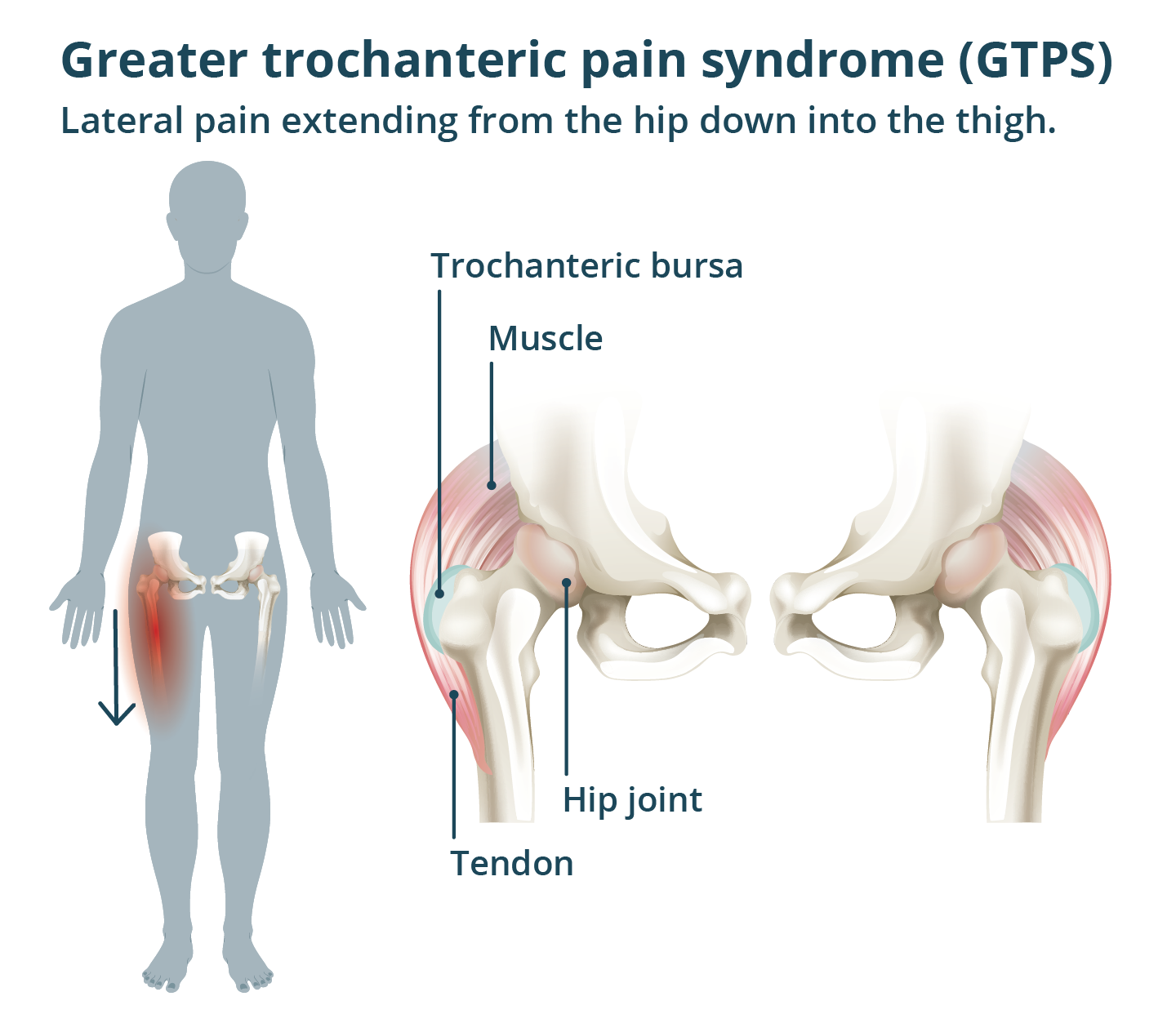
Greater Trochanteric Pain Syndrome (GTPS) is a common cause of ongoing outer hip pain that can make everyday activities like walking, standing, or even sleeping on your side uncomfortable. Often misunderstood as simple hip bursitis, GTPS actually involves irritation or overload of the structures around the hip, particularly the gluteal tendons. Understanding what GTPS is and why it occurs is the first step towards effective treatment and long-term pain relief. What is Greater Trochanteric Pain Syndrome? GTPS is a clinical…

Read More

unlocking your shoulder

Unlocking Your Shoulder: From Stiffness to Strength, Beating Frozen Shoulder with Physiotherapy

Frozen shoulder or adhesive capsulitis is a condition characterised by stiffness and pain in the shoulder joint. Often seen as a debilitating condition causing the inability to lift your arm up above your head or move your arm in different positions, this loss in movement due to the shoulder joint capsule thickening and tightening around the joint can significantly impact an individual's daily activities and quality of life, making unlocking your shoulder an essential part of restoring comfortable function. What…

Read More

Strength and balance program

How a Strength and Balance Program Can Improve Your Stability as You Age

As we age, several changes in the body contribute to reduced balance: 1. Inner Ear (Vestibular System): The vestibular system helps your brain understand motion and position. With age, it becomes less accurate, leading to dizziness or unsteadiness. 2. Muscle Weakness and Stiff Joints: Muscles lose strength and joints become stiffer over time. This makes it harder to react quickly or adjust your posture when your balance is challenged—especially if you're less physically active. 3. Slower Reflexes: The nervous system…

Read More

exercise physiology

Exercise Physiology: What is it and how can it help you?

What is an Exercise Physiologist?  An Exercise Physiologist bridges the gap between rehabilitation and real-world functionality, focusing on translating exercises into meaningful improvements in your daily life, work duties, or athletic pursuits. Whether you’re recovering from an injury, managing a chronic condition, or simply looking to regain peak performance, Exercise Physiology programs are designed to address your unique needs and goals.  Unlike generic workouts, these programs are rooted in evidence-based practices and tailored to mimic real-life movements, ensuring every exercise…

Read More

exercise physiology

Resistance/Strength Training

What is Resistance Training? Resistance training refers to using external weight or resistance to make the use of our muscles during an exercise harder and, therefore, structurally change the muscles for strength and endurance gains. Why should I add weights to my exercise regime? There are many benefits to resistance training. They include: Body recomposition: resistance training is very effective for building muscle mass and increasing our calorie usage for the day, which is a vital part of the fat…

Read More

exercise as we age golf

Importance of Exercise as we age

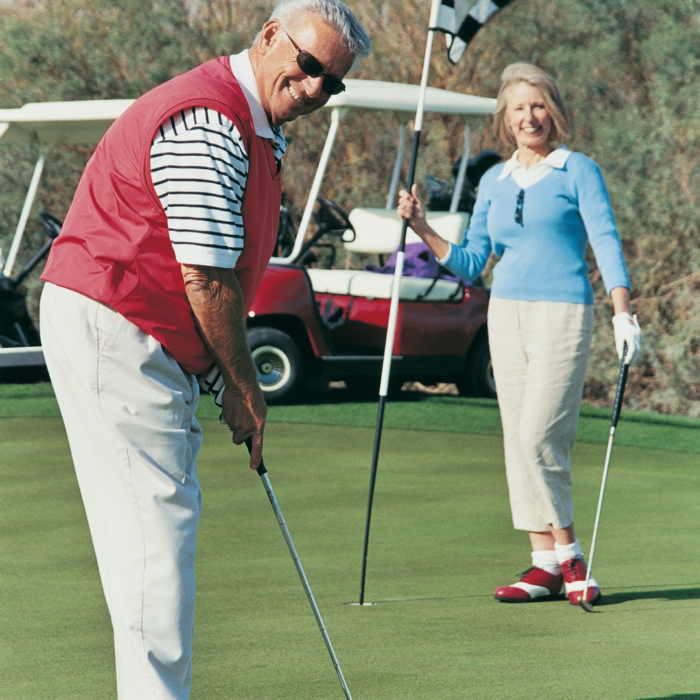
Another year older means another year wiser, but unfortunately, getting older also means our bodies can undergo many changes. While physical decline is normal with ageing, a lack of physical activity and exercise can further contribute to this decline. These include: reduced muscle and bone strength, reduced balance, reduced joint flexibility, reduced cardiovascular and respiratory function, and increased body fat and blood pressure. There can also be an increased susceptibility to anxiety, depression, cardiovascular disease, and stroke risk. Benefits of…

Read More

dynamic sport warm up

Dynamic warm ups: What are they and why are they important in sports? 

Within the sporting world, it is common practice for athletes to commence a thorough warm-up to get their bodies physically prepared to play. Typically, the most known method of warming is stretching. However, in terms of recovery and injury reduction, there is a more modern approach to warm-ups, known as dynamic warm-ups.  Dynamic warm-ups consist of repetitive movements that are ‘active’ in nature. These are usually structured to be similar to the movements that the sport/activity needs. Keeping constantly moving…

Read More

Strength training

What is Femoroacetabular Impingement (FAI)?

What is Femoroacetabular Impingement (FAI)? Hip pain is widespread across all age groups throughout life, whether an elite athlete or someone in the general population. Many conditions may cause hip pain, such as femoroacetabular impingement (also known as FAI for short).  What is it? This is a condition where the ball and socket part of the hip joint cannot move around through range. This is due to the way the head of your femur (thigh bone) moves around the socket…

Read More